

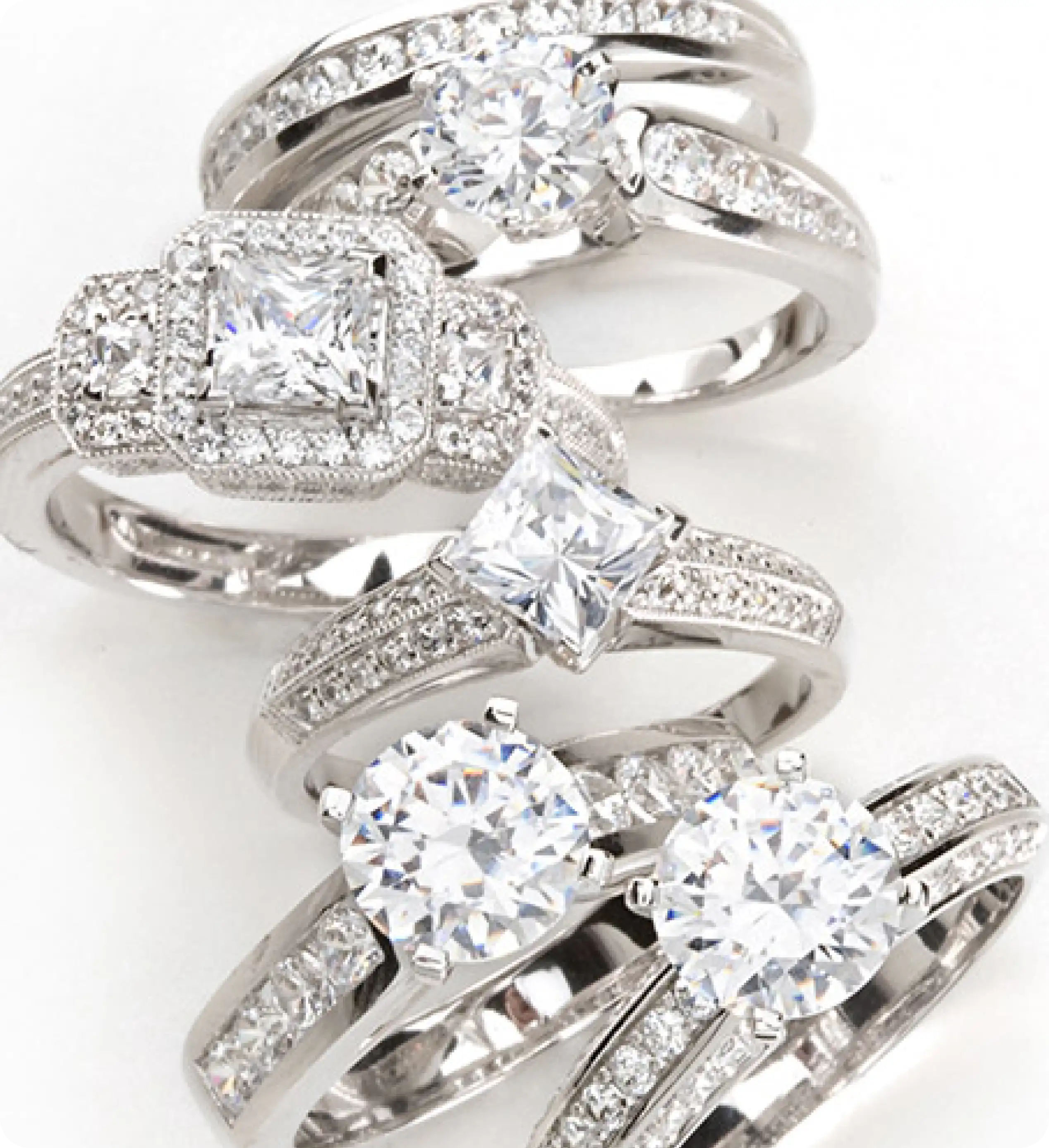

diamonds











5.0
Based on 391 reviews
powered by

Rachel Orchard
5 days ago
Fantastic service! Quick, easy and so professional! I’m back for the 3rd time. Thank you!

Muhammed Madhi
6 days ago

zanielle serfontein
1 week ago
We had a wonderful experience selling our gold at this company. From the moment we arrived, Trent was incredibly friendly, professional, and welcoming.
He took the time to explain the process to us clearly and answered all of our questions, which made the entire experience easy and comfortable.
We really appreciated how helpful and transparent Trent was throughout the process.
Would definitely recommend them to anyone looking to sell their gold. Thank you for the excellent service!
He took the time to explain the process to us clearly and answered all of our questions, which made the entire experience easy and comfortable.
We really appreciated how helpful and transparent Trent was throughout the process.
Would definitely recommend them to anyone looking to sell their gold. Thank you for the excellent service!

Johnathon Hart
1 week ago
Brilliant service, very informative and very helpful. Definitely recommended

Gorilla AI 3D Printing
1 week ago
Its a safe and very friendly place i would refer

lovemore Mugwagwa
2 weeks ago
Jaime was the best!

Deagan Rich
2 weeks ago
Very welcoming and informative. Would highly recommend

belinda b
3 weeks ago
Save friendly environment.

Francois Badenhorst
3 weeks ago
Friendly and professional service

Preeya Naidoo
3 weeks ago
I would recommend Trent and The Gold Avenue, he was very professional, reassuring & informative to deal with, very smooth to process!

Salmaan Mia
3 weeks ago
Best services

Donovan Kaye
4 weeks ago
Very helpful and transparent with the details no pressure on the sale.

zahraa al kinani
4 weeks ago
Excellent service

Bianca Biancs
1 month ago

Donna Zitha
1 month ago
The Absolute BEST!!! Very transparent people, thank you very much Trent. I learnt so much today.🎀

NOSIPHO BIKITSI
1 month ago
Excellent, professional quick service. No hassles. Would definitely recommend. Plus nice hot chocolate while you wait 🫢🥰

kelly mommsen
1 month ago
Exceptional service, very friendly and instant payment as promised. I was there for maybe 10 minutes and it all went very smoothly

Malwandla
1 month ago
Great place to sell your old jewelry. Best Value 👌

Ethan Blok
1 month ago
Super safe and secure environment. Wonderful experience.

Lize Swanepoel
2 months ago
Wow, the service from start to finish was amazing, efficient and friendly. Payment was immediate... I am thoroughly impressed. Thanks to Jamie and Trent for your making this a pleasant experience 😁

Jonathan Shahim
2 months ago

Kamani Pillay
2 months ago
It was a pleasant, safe process dealing with The Gold Avenue. Trent was friendly yet very professional. Exceptional customer service!! The best price, ethical and safe unlike other dealers in Johannesburg. I highly recommend that you use The Gold Avenue for a stress-free experience

Earl D
2 months ago
It was very welcoming and the service was excellent 👍🏾

Leoni JANSE VAN RENSBURG
2 months ago
The Gold Avenue is definately a brand you can trust. From my first enquiry to the actual sale Trent was very professional and answered all questions truthfully. Would recommend their service anytime!
Thank you!
Thank you!

Rumain Akoob
2 months ago
Really easy and kind

Bronwyn Powell
2 months ago
Thank you Brent.
Excellent service!!
Excellent service!!

Priscilla Gcora
2 months ago

Luca Krummeck
2 months ago
They are so warm welcoming and amazing when it comes to their knowledge. They DO NOT CHEAT TOU in any wayyy song you want full price for your gold. Come here!! They are so kind. I 1000% believe that the gold avenue (Trent) is the best person to go to for gold.

Drashia Chetty
2 months ago

khalo khanyo
2 months ago

Avikar Kissun
2 months ago

Hermantha Pillay
2 months ago
Such an easy process!

Ben Fonnix
2 months ago
Absolutely amazing pricing and service from Trent. Highly recommend. After getting quotes from many places , he was the best and most transparent on all dealings.

Josh Singh
3 months ago
Excellent service and customer centricity

Quinten Fuchs
3 months ago
Excellent and professional service, they assisted very quickly and friendly.
Would recommend 100%
Would recommend 100%

Shaun Leal
3 months ago
Very through, very professional and top class. Thanx Trent for the amazing service and high level of professionalism. Would 100 percent recommend to anyone wanting to sell gold.

Ashley Morgan
3 months ago
I recently sold a few gold items to Gold Avenue and couldn't be happier with how smoothly it went. It was absolutely great dealing with Jamie! She was professional, took the time to explain the valuation process clearly, and gave me a highly competitive payout. It’s great to find a business you can actually trust. Will definitely return.

M N
3 months ago
I had an excellent experience selling my jewellery with Jaime. From start to finish, she was professional, knowledgeable, and transparent throughout the process. She took the time to explain everything clearly, made me feel comfortable, and provided outstanding customer service. The transaction was smooth, efficient, and handled with integrity. I highly recommend Jaime to anyone looking for a trustworthy and professional jewellery buyer. Thank you for making the experience so easy and pleasant!

Sadia Khan
3 months ago
Efficient, fair and lovely to deal with it. Incredibly professional and helpful.

Kapil Chunilall
3 months ago
Very helpful and friendly

Moniece Viljoen
3 months ago
Amazing service, would highly recommend for anyone

Belinda Wilson
3 months ago
Wonderful dealing with such a professional company, Trent is compassionate when having to give up precious items. A safe and secure environment. I will only use The Gold Avenue.

Naomi van Eck
3 months ago
Very professional, friendly and easy to deal with. Thank you for making me feel at ease. Excellent service.

shanice ngondo
3 months ago
Wonderful experience.Very professional and friendly staff.🙏

Katherine Botha
3 months ago

Mohammed Yasin Hoosen
3 months ago

MAHLAKU HLAYISANE
3 months ago

Khataza Selina
3 months ago

Corné Meyer
3 months ago

Caryl Kolk
3 months ago
Very safe environment and wonderful people. I have sold jewellery there twice and the service has been exceptional. Fair evaluations and great advice. I would highly recommend.

Jonathan Currie
3 months ago
Quick, discreet and professional service from Trent. Highly recommend the Gold Avenue.

RecircleSA6
3 months ago
The service was excellent, efficient, and fast. Negotiations were handled fairly, and the environment was very comfortable throughout the process. A big thumbs up to Trent for the outstanding service—highly recommended! service was - Ronald

Celine Cruse
4 months ago
My experience at the Gold Avenue was amazing. Everything was done by the book. Transparent , very quick and completely professional. Thank you

Kana Kana
4 months ago
It was nice doing business with your company today.

Carel van Heerden
4 months ago
Excellent service!!
Friendly and professional handling of the transactions and I was offered 10% more than what others offered me!
It was truly a lovely experience!!
Thank you!
Friendly and professional handling of the transactions and I was offered 10% more than what others offered me!
It was truly a lovely experience!!
Thank you!

Matan Atias
4 months ago
They bought my gold and provided the most professional service! Highly recommend

Andre Snell
4 months ago

Ni'mat Joosab
4 months ago

Megan Naidoo
4 months ago
Trent was really open and honest during the whole process. He has excellent customer service skills and was really helpful. Thanks so much guys. Payment processing is immediate and hassle-free.

Oratilwe Zamantungwa Makgale
4 months ago

Aforika Trading
4 months ago
Highly professional and friendly service from start to finish. The process was quick, seamless, and completely transparent, with a satisfying payout. Truly hassle-free — I would definitely recommend them. Special thank you to Trent Saldsman

Bafana Max
4 months ago
Best price in town left happy good service definitely will be back

Thando Mhlanga
4 months ago
Great service

Pompi Pompi
4 months ago
Best deal ever

Lungii Nkosi
4 months ago
THE BEST !! I cannot stress this enough. 10/5

kgotso Hoaeane
4 months ago

Qaqamba Tom
4 months ago
Absolutely amazing service! Professional and efficient!

Wandile Dube
5 months ago
Incredible service. Trent was extremely helpful and quick with everything.

Angelique Venter
5 months ago
Best waiting service and excellent service

Cindy Dippenaar
5 months ago
Very excellent services
Thank you
Thank you

krokedil
5 months ago
Amazing service

Yulia Brand
5 months ago
I became a widow recently and unfortunately I had to sell few gold peaces to support us.i was extremely nervous before I went in .I don't know why but in my mind I was expecting a Greek guy with thick gold necklace and gold ring on each finger.i was preparing that no matter what I know about gold prices he will trick me with lowest price possible 🤗The joke was on me because it was the sweetest lady came to greet me and invite me to her office.Everything was above board.i had few questions and she answered them patiently and put me at ease.My only regret is that I didn't ask her her name.Few of the peaces had sentimental value and I'm so grateful that she handled them with care .
Thank you so much for making the hole experience comfortable and pleasant.i would definitely recommend The gold venue to family and friends.
Kindest regards
Yulia
Thank you so much for making the hole experience comfortable and pleasant.i would definitely recommend The gold venue to family and friends.
Kindest regards
Yulia

james rex
5 months ago

Nikhir
5 months ago
Great experience with Trent, quick and efficient service!

Rowan V.d merwe
5 months ago
Amazing service, super friendly. Quick and efficient. 100% recommend.

lebogang ramafoko
5 months ago
Great place to visit, honest review and great price for valuable items.
Was assisted by Trent and such a nice person, gave me a great deal and we sealed it off.
Was assisted by Trent and such a nice person, gave me a great deal and we sealed it off.

Perpetua Shinya
5 months ago

Tammy Van der Walt
5 months ago

Shalendran Naiker
5 months ago
Very quick, efficient, secure, great value!

Craig Wilson
5 months ago
The Gold Avenue Illovo was a pleasure to deal with. Trent our consultant was very informative, respectful and accommodating.
The process was simple, smooth and honest. Will be recommending to friends and using again!!
The process was simple, smooth and honest. Will be recommending to friends and using again!!

Jade Jorge
5 months ago
Very professional, quick and easy and very knowledgeable. Pleasant experience.

Godfrey Chisero
5 months ago

Tatenda Makosa
5 months ago

Jason Knight
5 months ago
I recently sold some gold and had a really great experience. The service was professional, transparent, and efficient from start to finish. Everything was clearly explained, and I felt confident I was getting a fair price. The process was quick and hassle-free, and Trent were friendly and helpful throughout. I would definitely recommend them to anyone looking to sell gold.

Amelia Gideon
5 months ago
The service was great...my help was very friendly and professional.. I definitely recommend it..

Yolande Jetten
5 months ago
An absolute pleasant experience was very sercure, clean and amazing human to deal with. Highly recommended!!

Barry de Blocq
5 months ago
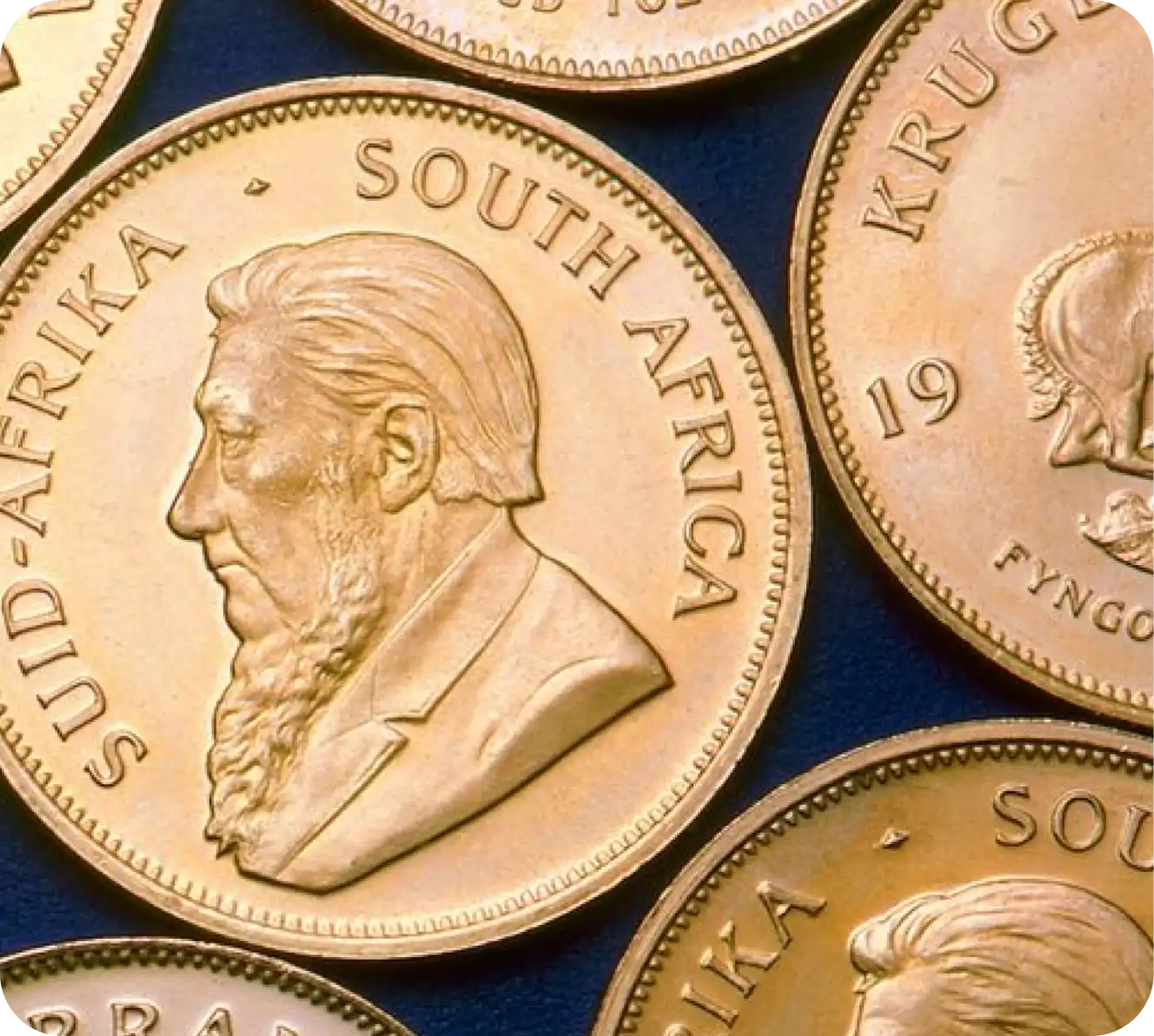
Trent was friendly while maintaining a professional approach to the sale of my Kruger Rand. Although it only took around five minutes to make a direct payment into my bank account, the invitation to enjoy a cup of coffee while I waited was most welcome.

emmanuel manthate
6 months ago
Incredible service with all the evaluations done in front of you.

Del Forno Heathway
6 months ago
Definitely a 5 star experience, very helpful

Chadd Medalie
6 months ago
There is no one better than Gold avenue.
The staff and Trent are always willing to go an extra mile.
Extremely good pricing. Very professional. Paid within minutes.
The staff and Trent are always willing to go an extra mile.
Extremely good pricing. Very professional. Paid within minutes.

Nathan Brizee
6 months ago
Lovely lady assited me at The Gold Avenue and gave me the best possible price. Very secure premises.

Cassie
6 months ago
Thank you Trent and team for your excellent service. You went above and beyond my expectation. Absolute 💯 honesty and integrity with my transaction. Regards Carol

Joshua Aube
6 months ago

CORA WILLIAMS
6 months ago
Trent was Absolutely professional and yet personable. Security conscious to the enth degree. Office is situated in very secure area including safe parking. There was no pressure to sell and valuation was quick and seamless. Would recommend The Gold Avenue to anyone

Shasturi Chetty
6 months ago
Gold Avenue has been an amazing experience. They have a safe environment, are professional and offer the best price.

Lauretta Naude
6 months ago
Have reveived excellent service for the last 3 years.
Highly recommend
Highly recommend

Kylie Reed
6 months ago
They were so good to me. They handled me with kindness and grace and gave me an honest and amazing price on my jewellery. I highly recommend coming here. You will be safe and taken care of with the utmost grace and compassion. Thank you guys again so much.

Manish Keshav
6 months ago

Petunia “Lebza”
6 months ago
Trent was so helpful. Best service I have ever experienced. Got a good offer and the money was instant. Thank you for excellent service 🙌

Cebisile Nkosingiphile
6 months ago
Great service.
The process was quick and the customer service was just excellent.
The process was quick and the customer service was just excellent.