
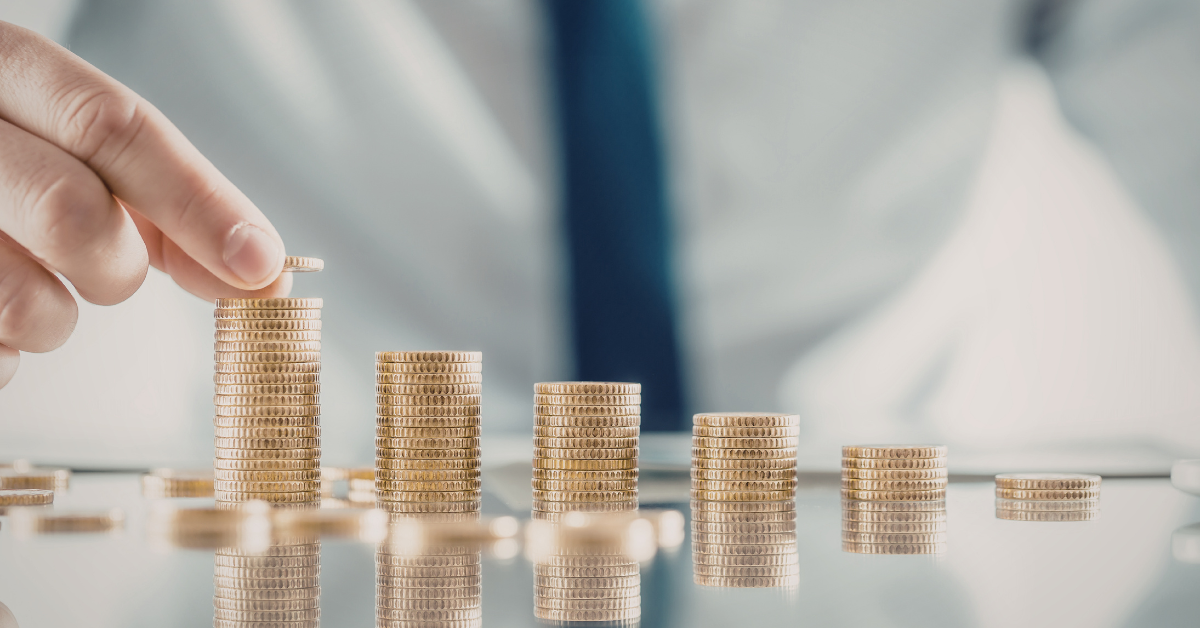
This blog gives you a clear view of how rare coins are judged, how their condition shapes value, how market demand shifts interest, and how metal content supports pricing. You will see how age, grading, and authentication influence offers from buyers. The goal is to show you how every part of a rare coin contributes to its final price without using complex ideas or vague descriptions. By the end, you will understand how offers form, what affects strong interest, and how related gold items and search behaviour shape the wider trade.

Why Rare Coins Hold Strong Interest for Many People
Rare coins attract steady attention because they hold both historical and metal value. When a coin comes from a period that carries meaning, collectors often place strong interest in it. Even coins that are not ancient can draw interest if they represent a certain era or have production details that set them apart. Interest grows as people learn more about the coin’s background and how many similar coins still exist. Rarity is influenced by supply. When only a small number of coins remain, buyers look closely and offers tend to rise in strength.
Over time, rare coins become part of personal collections. Owners often feel connected to them because they were inherited or kept for many years. Even though the trade looks at coins from a neutral point of view, personal value plays a role in why people hold on to them for so long. When someone decides to sell, they often want a clear view of how rarity fits into pricing. This clarity helps them set expectations and judge offers with confidence.
How interest builds over time
Interest builds when a coin maintains demand across generations. A coin that was popular twenty years ago may still be in demand because collectors track supply levels. When fewer examples remain in strong condition, interest rises. This creates a slow build in appeal, which often leads to stronger offers.
Why rarity shapes long term appeal
A rare item usually holds stronger long term appeal because there is limited stock available. Collectors understand this and act accordingly. Even if a rare coin has wear, it may still draw interest because of how few examples exist.
How Condition Shapes the Value of Rare Coins
Condition plays a major role in pricing. A coin with strong details, sharp edges, and limited wear brings more interest. Condition is often the first thing a buyer looks at because it shapes grading. A coin with scratches, dents, or faded detail will move into a lower grading bracket. This lowers the offer even if the coin is rare.
Buyers judge the condition by looking at high points, edges, and surface marks. These small features influence the final decision because they show how much the coin has circulated. Some rare coins are valuable even in lower grades, but generally, strong condition leads to stronger offers. Wear can make a large difference in price, sometimes shifting a coin into a lower tier entirely.
How surface marks influence price
Surface marks show how the coin was handled. If scratches are deep or visible without magnification, the offer drops. Buyers look for clean fields because they show that the coin was stored correctly.
How wear affects grading
Wear reduces detail on the design. When detail fades, grading shifts down. A lower grade usually brings a lower offer. Buyers judge wear carefully because it shapes accuracy in valuation.
How Age Affects the Way Buyers Judge Rare Coins
Age matters because it shapes interest. Older coins attract collectors who track historical periods. When a coin comes from a period with strong historic value, interest may rise. Age alone does not guarantee a higher price. The market looks at both age and condition. A very old coin with heavy wear may not bring a strong offer compared to a newer coin with clean detail.
Age adds story and context, which makes the coin more appealing. Some collectors follow specific time periods. Others follow specific mint marks. Age ties these parts together and increases the coin’s place within the wider trade. Age must always be judged alongside rarity and condition because none of these parts stand alone.
Why certain historical periods create higher interest
Some periods attract more collectors because they link to major events or shifts. When a coin reflects that period through design or minting, collectors respond strongly. This creates higher interest and stronger offers.
How Market Demand Shifts the Price of Rare Coins
Market demand shifts through the year. Some coins rise in appeal as more collectors search for them. Others slow down. Buyers track demand because they need to offer prices that match current interest. When demand is high, offers rise. When demand softens, offers reflect that.
Demand can shift because of collector trends, economic movements, or changes in supply. A coin that has been unseen for years can pull interest when one appears in strong condition. Buyers watch these movements closely because they shape how much they are willing to pay. Market demand forms a large part of the final figure.
How supply affects movement
When supply is low, interest often rises. Rare coins with limited examples can move quickly because collectors do not want to miss the chance. When supply is high, prices flatten.
How collector interest guides price trends
Collectors influence trends because they decide which items gain attention. When a group of collectors shifts interest to a certain period or design, prices follow that movement.
Understanding the Metal Content in Rare Coins
Metal content forms a major part of valuation. Coins with gold content hold melt value. This melt value sits beneath the rarity value. When metal rates rise, interest in gold items rises. This often leads clients to search for terms such as sell gold for cash or gold exchange near me because they want clear numbers.
Gold content is judged carefully. Weight, purity, and the presence of wear influence the metal figure. Rare coins that also have gold content attract a mix of collectors and metal buyers. This creates stronger competition and can result in higher pricing.
How gold content is judged
Gold content is judged by weight and purity. A buyer checks both to set a base figure. This base figure supports the rare coin value.
How gold rates influence offers
Gold rates change, and buyers track these shifts. When gold rises, offers reflect that. When gold softens, the base figure shifts down.
How Authentication Affects Buyer Offers
Authentication reduces uncertainty. Buyers want to know that a rare coin is genuine. Authentication documents give them that confidence. When authentication is present, buyers often offer more because risk is lower.
Coins without authentication may still bring interest, but the offer is influenced by doubt. Buyers need to judge the coin more carefully. They must take time to inspect the features that indicate origin. This added step lowers offers because risk must be absorbed. Authentication smooths this process and leads to stronger figures.
How certification protects the seller
Certification protects the seller because it confirms details such as condition, authenticity, and origin. This allows the seller to receive a stronger and clearer offer.
How uncertified coins are judged
Uncertified coins require full inspection. Buyers must compare details to known examples. This takes time and creates uncertainty. Offers drop when doubt rises.
How To Understand the Grading System for Rare Coins
The grading system judges coins from poor to mint state. Each grade reflects detail, wear, and overall appearance. Grading helps buyers set prices in a fair way. A coin with a high grade receives more interest. A lower grade reduces the figure. Grading creates a shared language between seller and buyer.
A well graded coin often moves faster. Collectors trust the assessment. They can compare the grade to price charts and make decisions with confidence. When a coin is graded correctly, it removes confusion and shapes a smoother transaction.
Why grading supports fair valuations
Grading supports fairness because it shows where the coin sits in the wider trade. It removes confusion and gives everyone the same reference point. This results in more consistent offers.
How Kruger Rands Influence the Rare Coin Trade
Kruger Rands hold strong interest because they link gold content with market confidence. Many clients track the gold Krugerrand price today to sell because gold movement shapes the wider trade. A single Kruger rand can guide interest levels. When gold rises, people check the Krugerrand price today to judge timing.
Buyers who want strong gold items often act as Kruger rands buyers. This interest spills into the rare coin sector because strong gold prices push people to consider selling other items too. The gold coin sector and rare coin sector move next to one another, and shifts in one often influence the other.
How buyers track interest in Kruger Rands
Buyers track interest by watching gold rates and market movement. When gold rises, these coins draw attention. When gold softens, pricing shifts.
Why gold coin demand shapes broader pricing
Gold coin demand shapes the rare coin sector because buyers often look for reliable items during shifts. Strong gold coins support confidence and influence how collectors behave.
How Location Affects the Selling Experience for Rare Coins
Location matters because access plays a strong role in how people choose where to sell. Many clients search for terms such as pawn shop or sell gold jewellery because they want safe and simple access. Convenience shapes the decision. People prefer a place that allows fast assessment without long travel.
The location affects comfort. A safe and private environment helps clients feel calm during valuation. Many people choose local places because they want a direct conversation and quick results. Terms such as sell jewellery for cash reflect this need for quick access.
How to Judge Buyer Offers Without Guesswork
Factors that push offers higher
Offers move higher when the coin has strong condition, clear detail, and solid grading. Authentication adds another layer. When gold content is strong, the offer rises. Market demand can push the figure further. When all these parts align, offers reach stronger levels.
Factors that lower the offer
An offer drops when condition is weak. Wear lowers grading. Lack of authentication introduces doubt. Slow market demand shapes the offer. Uncertainty or visible damage can shift the coin into a lower tier.
When Selling Rare Coins Becomes a Practical Decision
Selling becomes practical when the item no longer serves a purpose. Some people inherit coins and want liquidity for other plans. Others hold coins for many years and decide it is the right time to release value. A valuation gives clarity. When someone understands how rarity, condition, and demand shape pricing, the decision becomes easier.
Selling rare coins is a financial step. It is not personal. Many people feel calm once they understand how the offer is formed. Rare coins can hold strong value when the right conditions align.
Related Searches That Show Buyer Behaviour
How people assess coin value
People often search where can i sell my ring for cash near me or other similar terms when they want guidance. These searches show the need for clarity and convenience. Clients want a direct place to go. They want safe assessment and clear figures.
Why gold linked searches influence interest
Terms such as jewellery buyers and gold exchange near me show that people look for mixed services. Many clients bring both rare coins and gold items. Gold searches shape interest because gold supports pricing across many items.
At The Gold Avenue, we simplify the process of selling your valuable assets. From luxury watches and Krugerrands to gold, diamond jewellery, and more, we offer fast, safe, and convenient buying services, coupled with an enjoyable experience. We stand by our promise to provide the best price for your items.
Krugerrands: Sell your Krugerrands swiftly and securely.
Gold Jewellery: Turn your gold jewellery into instant cash.
Gold Coins: Get the best price for your gold coins.
Diamonds: Exchange your diamonds for a competitive price.
Watches: Luxury watches like Rolex and others are welcome.
In need of a cash loan? We’ve got you covered.
SELLING TO THE GOLD AVENUE IS SIMPLE:
Contact Our Team: Reach out to our team via call, WhatsApp, or online chat. Describe the luxury items you want to sell.
Book an Appointment: Set a valuation appointment at a time convenient to you. Our safe and secure premises are located in Johannesburg.
Get an Offer: Our expert team will provide a quick and fair valuation. We’re committed to long-term relationships, guaranteeing the best price.
Money in Your Bank: We offer immediate payments, directly into your bank account, either through cash or EFT.
Ready to start selling? Book an Appointment